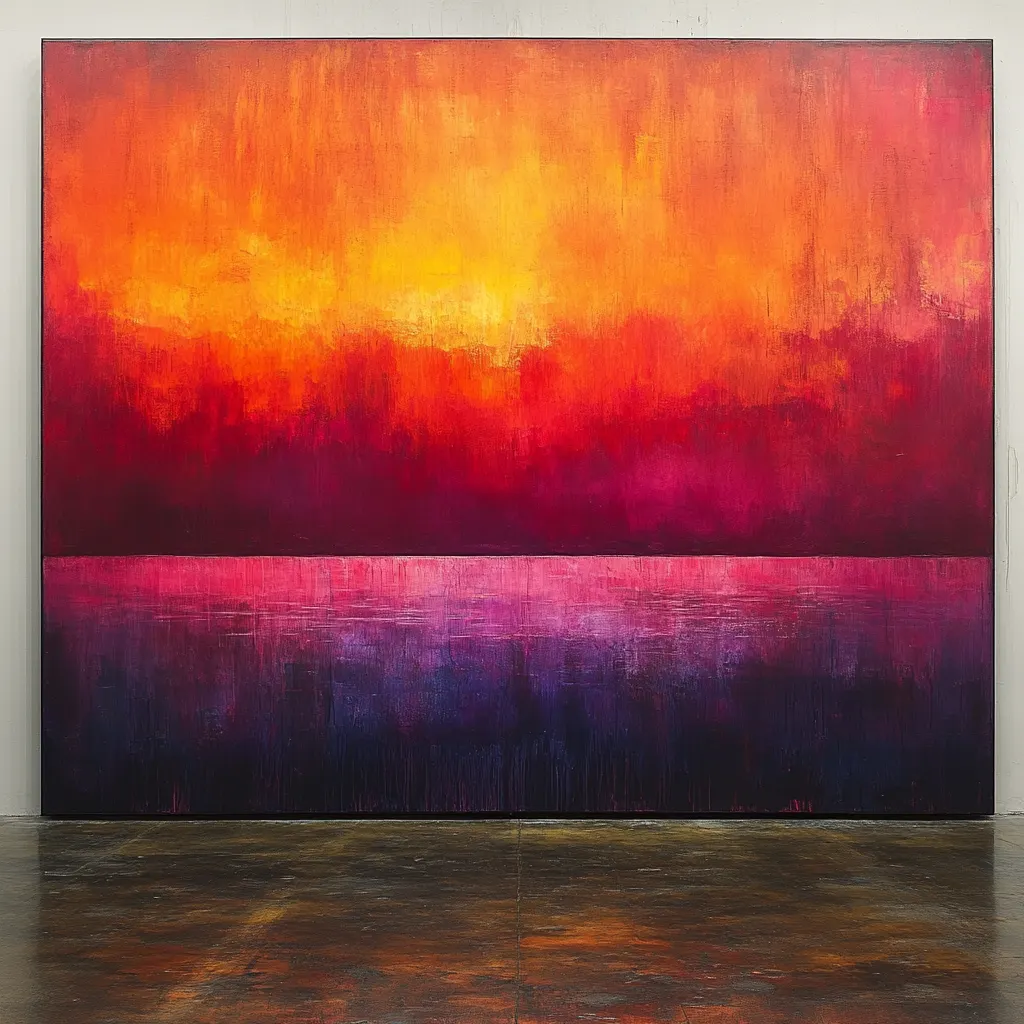
Concept
Taste is not a fixed identity.
It is a position.

Instead of asking you to describe yourself, LIUBA watches how your decisions accumulate.
Which image holds the eye longer. Which atmosphere feels close. Which work is returned to, and which is left behind. The system does not ask you what you like. It reads where your attention goes, and what that attention reveals over time.
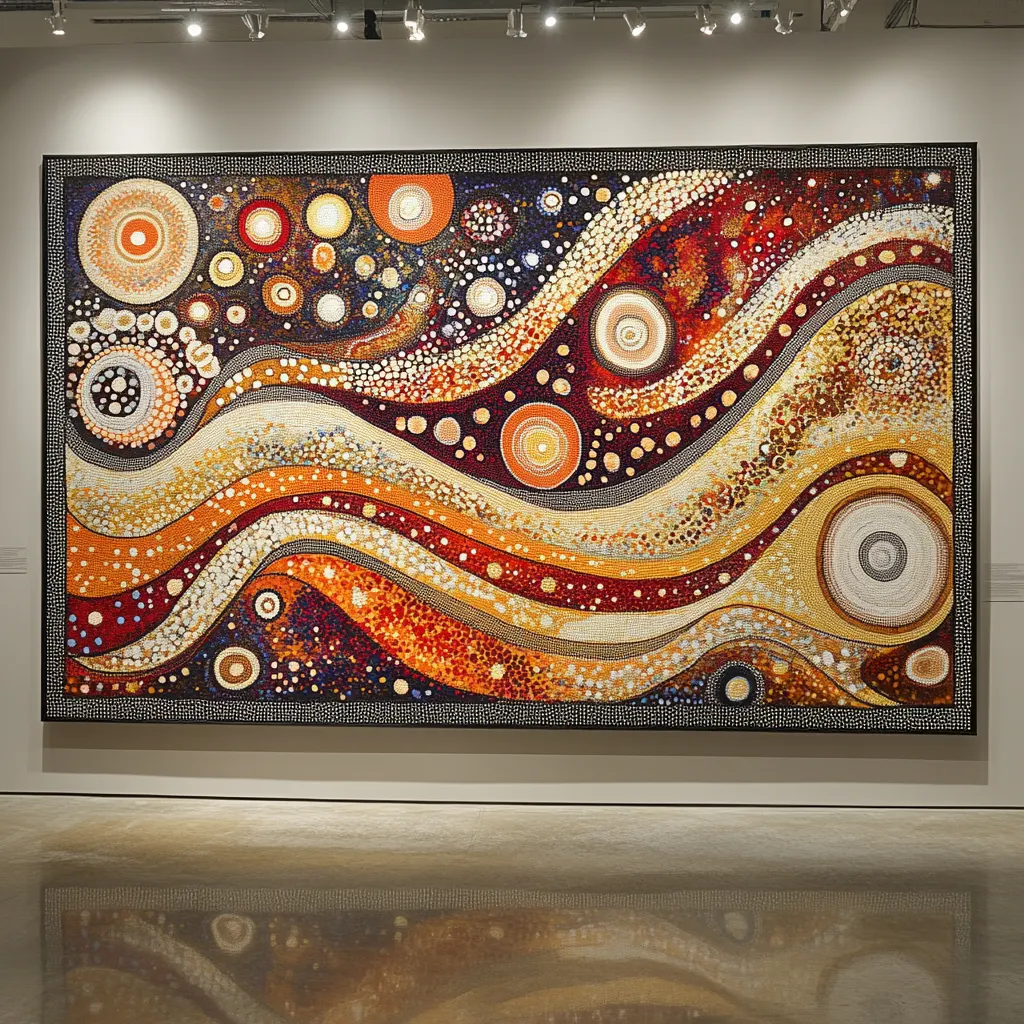
The system reads across multiple layers.
How much space you seek, and how much containment. Whether rhythm draws you or stillness. Whether you lean toward what can be felt in the body or what unfolds at a distance. Whether the raw pull of intuition moves you, or the quiet architecture of an idea. These are not categories. They are tensions — and your position within them is what makes your eye yours.
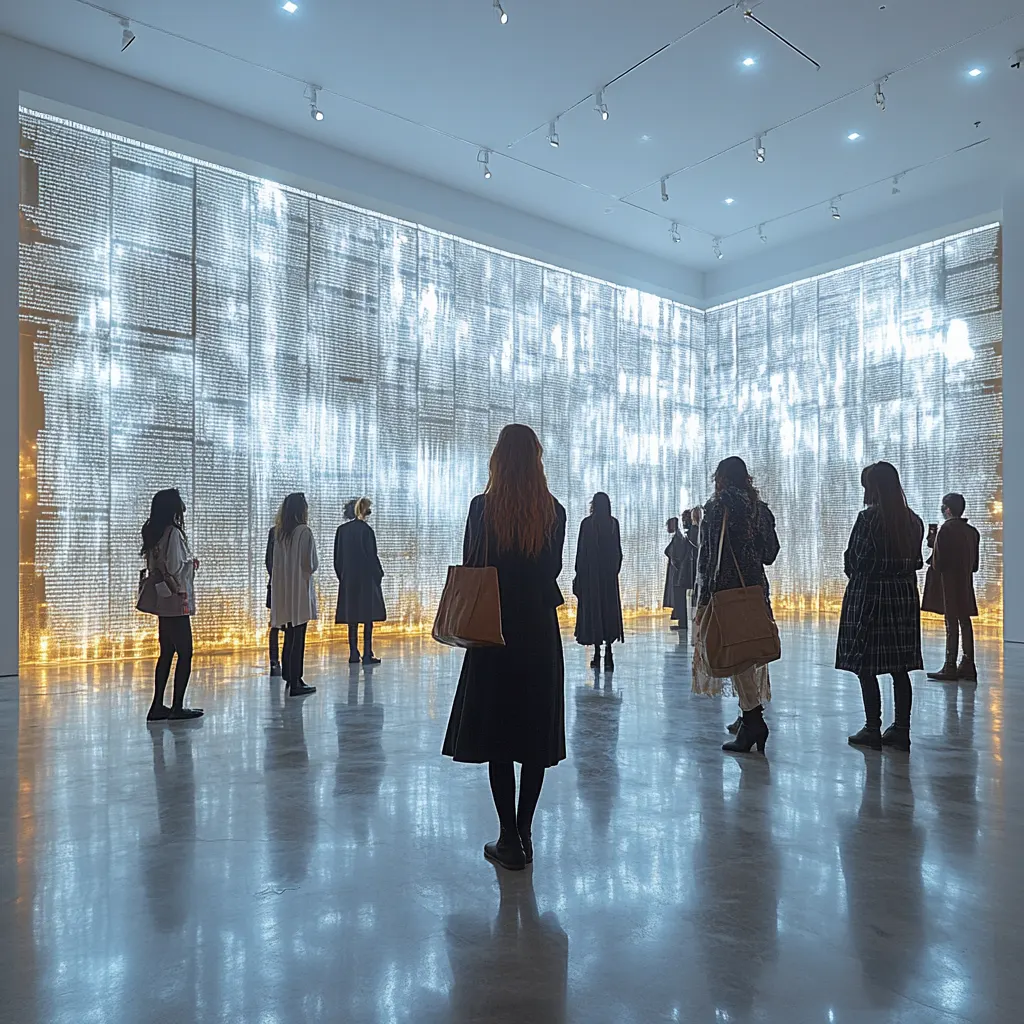
Beyond perception, there is cultural orientation.
Some people approach art through the senses — warmth, texture, weight. Others through reference — history, lineage, discourse. Some move through art as if entering a private room. Others as if entering a public institution. These orientations are not visible on the surface, but they shape everything: what resonates, what feels foreign, and what becomes meaningful.
The ambition is not to flatten art into metrics. It is to build better bridges between intuitive response and meaningful interpretation.
Perception
The first layer reads how your eye moves — what draws it, what holds it, what it passes over. Density, rhythm, warmth, distance. These signals arrive before language does.
Meaning
The second layer reads how you orient yourself culturally — whether you approach through the senses or through reference, whether your relationship to art is intimate or institutional.
Position
Together, these layers form a position. Not a personality type. Not a label. A readable, refinable location in aesthetic space that is yours alone.

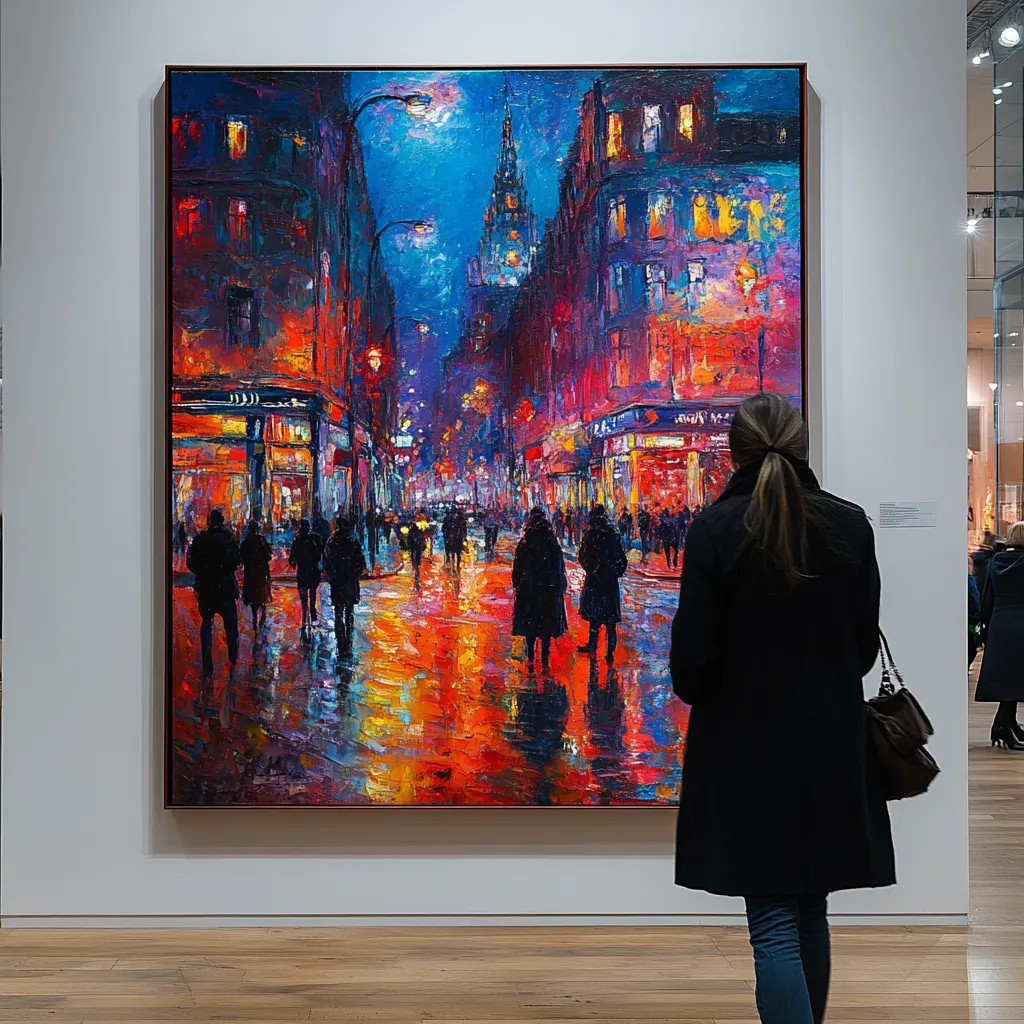
Experience it yourself.
Begin the flow